autofan

 ENG
ENG
The Essential Guide to Engine Oils: Choosing the Right Lubricant for Your Vehicle

The Lifeblood of Your Engine
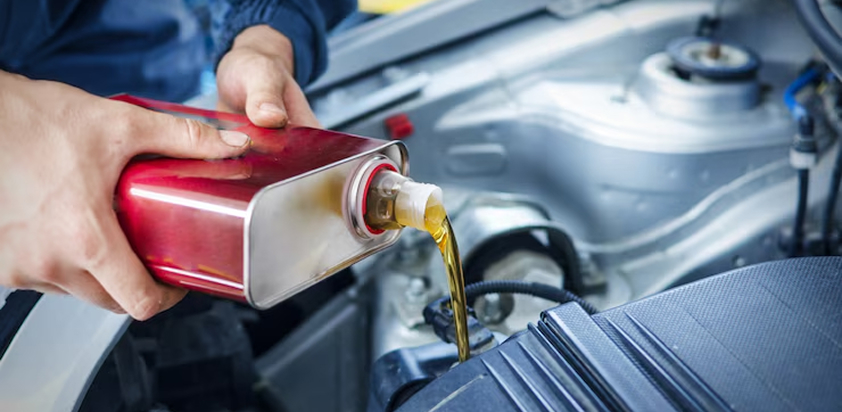
Engine oil is more than just a lubricant; it's the lifeblood of your vehicle's engine. It reduces friction, dissipates heat, cleans internal components, and prevents corrosion. Selecting the appropriate engine oil is crucial for optimal performance, fuel efficiency, and engine longevity.
Viscosity refers to the oil's resistance to flow. It's denoted by a combination like "10W-30." The number before the "W" (winter) indicates the oil's flow at cold temperatures, while the number after signifies its thickness at operating temperatures. For instance, a 5W-30 oil flows better in cold starts and maintains adequate thickness when the engine is hot.

Types of Engine Oils
There are several types of engine oils, each with distinct characteristics:
- Conventional Oil: Derived directly from crude oil, it's suitable for older engines with simple designs. However, it requires more frequent changes due to faster breakdown.Martin Tire
- Synthetic Oil: Engineered for high performance, it offers superior protection against wear, high temperatures, and sludge buildup. Synthetic oils are ideal for modern engines and extreme driving conditions.
- Synthetic Blend Oil: A mix of synthetic and conventional oils, it provides better protection than conventional oil at a more affordable price than full synthetics.Martin Tire
- High-Mileage Oil: Formulated with additives to care for older engines, it helps reduce oil consumption, minimize leaks, and decrease smoke and emissions.
Manufacturer Specifications and Certifications
Always consult your vehicle's owner manual to determine the recommended oil specifications. Manufacturers often specify certain oil standards, such as:
- API (American Petroleum Institute): Indicates the oil meets specific performance standards.
- ILSAC (International Lubricant Standardization and Approval Committee): Denotes energy-conserving properties.
- ACEA (Association des Constructeurs Européens d'Automobiles): European standard focusing on performance and emissions.
Using oil that meets these certifications ensures compatibility and optimal performance
Matching Oil to Driving Conditions
Your driving habits and environment influence the best oil choice:
- Short Trips: Frequent short drives can prevent the engine from reaching optimal temperatures, leading to sludge buildup. Synthetic oils are better suited for such conditions.
- Extreme Temperatures: In very cold or hot climates, oils with appropriate viscosity ratings ensure proper flow and protection.
- Towing or Heavy Loads: Engines under heavy stress benefit from synthetic oils that resist breakdown under high temperatures.
Conclusion: Making the Right Choice
Selecting the right engine oil involves understanding your vehicle's requirements, driving conditions, and the oil's properties. By making informed choices, you ensure your engine runs smoothly, efficiently, and lasts longer.
Related Article
-

-
-